
Ingredient Explainers
Creatine Monohydrate: The Most Studied Supplement Explained
What creatine does, how to take it, how long it takes to work, and why simpler formats keep winning.

Creatine is one of the few supplements where the marketing claims and the research mostly agree. It supports repeated high-intensity effort — think sets of sprints, lifts and intervals — by helping recycle the energy your muscles burn first.
Monohydrate remains the format with the deepest evidence. It's affordable, stable and well tolerated. Fancy variants exist, but none have convincingly beaten plain monohydrate gram for gram.
Dosing is simple: 3 to 5 grams daily. A loading phase of 20 grams split across a week works too, but it isn't required — stores saturate within about three to four weeks at a steady daily dose anyway.
Timing matters far less than consistency. Post-workout with a meal is convenient, but creatine works whether you take it in the morning or at night. What matters is that you take it every day, rest days included.
Water weight is real but modest: creatine draws water into muscle cells, which can add a kilo or two early on. That's cellular storage, not bloating, and it typically settles within the first couple of weeks.
As with any supplement, it's worth a quick conversation with a healthcare professional if you have pre-existing kidney concerns — not because the research is alarming, but because personalised advice beats generic articles, including this one.
General education only — not medical or dietary advice. Demo editorial content.
Shop The Read
Products mentioned
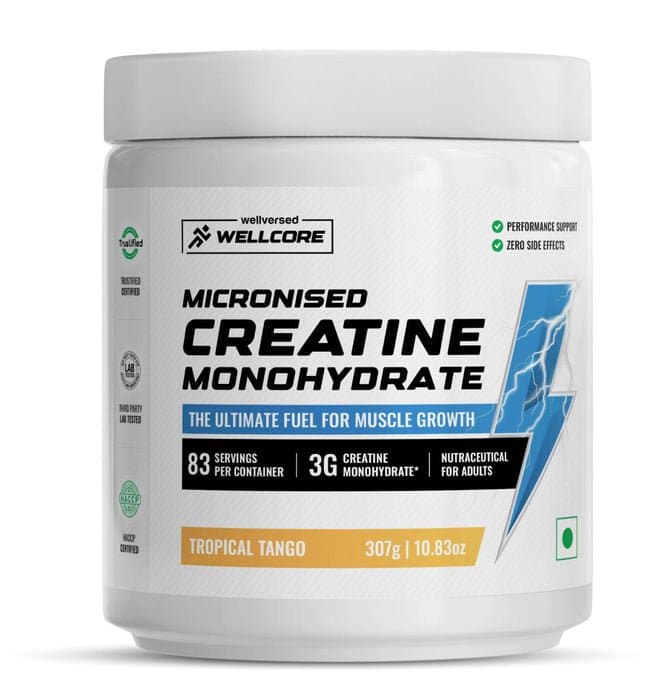
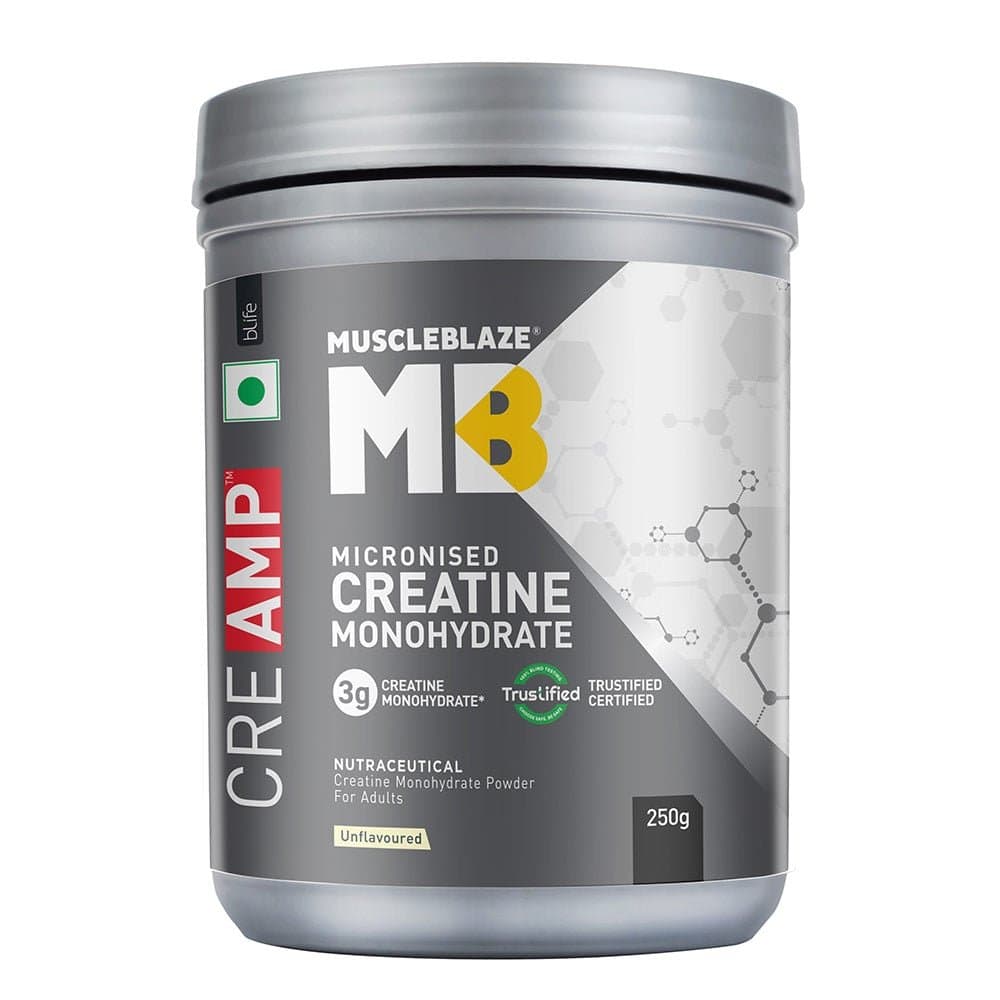
Rive Sup's demo catalog — placeholder products, replaceable via the data layer.