
Supplement Education
Whey vs Plant Protein: Choosing What Fits Your Training
Amino profiles, digestion, taste and cost — how the two most common protein formats actually compare in practice.
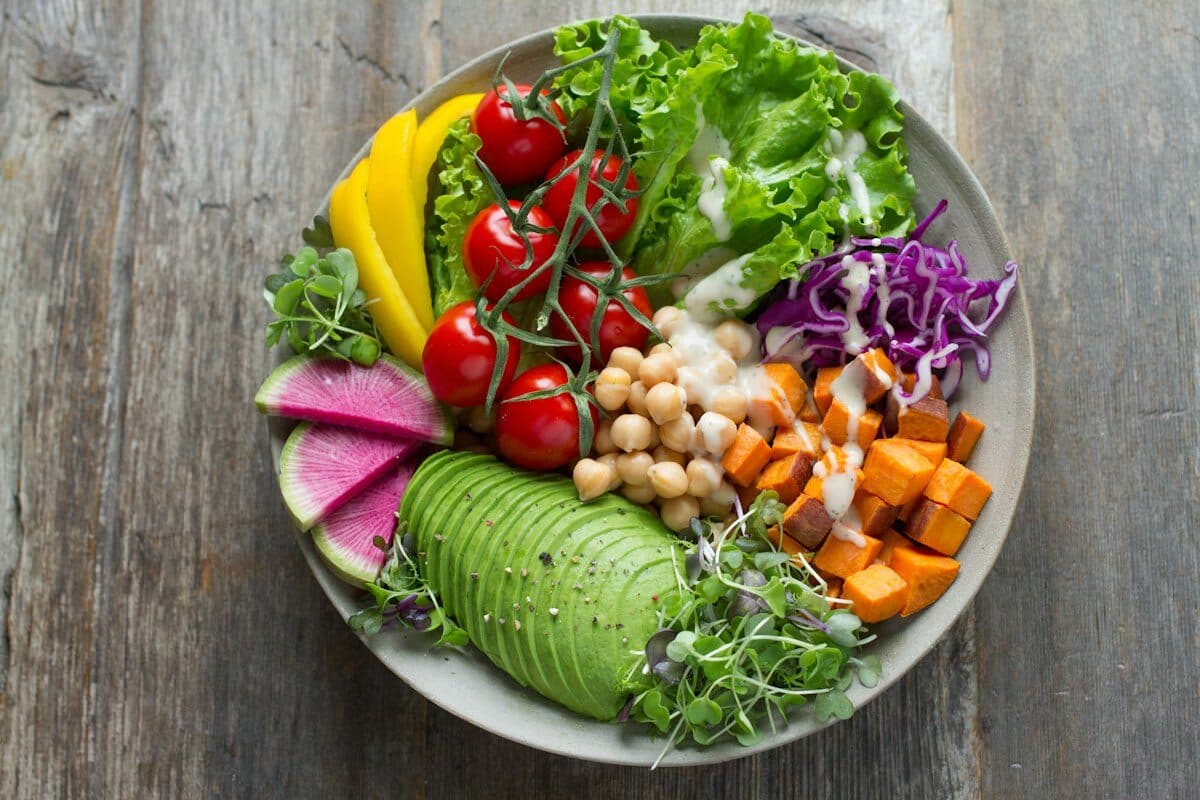
The whey-versus-plant debate is usually framed as a winner-takes-all contest. In practice it's a trade-off between digestibility, taste preference, dietary restrictions and budget.
Whey protein is a complete protein with high leucine content and generally excellent mixability. Concentrate keeps more of the milk matrix and costs less; isolate filters out more fat and lactose, which some people find gentler.
Plant blends have closed most of the historical gap. Modern pea and rice combinations reach complete amino acid profiles, particularly when the blend is designed rather than single-source. Texture has improved too, though unflavoured plant powders can still feel grittier.
Allergies and ethics decide more often than macros. If dairy disagrees with you, the best protein powder is the one you'll happily drink every day — adherence beats theoretical optimisation.
A practical test: pick one format for four weeks, hit your daily target consistently, and judge by digestion, taste and value rather than label arguments. The 'best' powder is whichever one disappears into your routine.
Either way, read the supplement facts panel. Short ingredient lists, transparent per-serving amounts and clear allergen statements are the marks of a brand that isn't hiding behind a proprietary blend.
General education only — not medical or dietary advice. Demo editorial content.
Shop The Read
Products mentioned
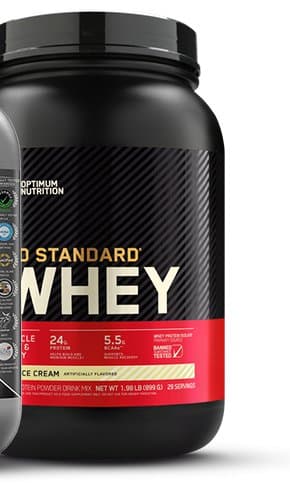
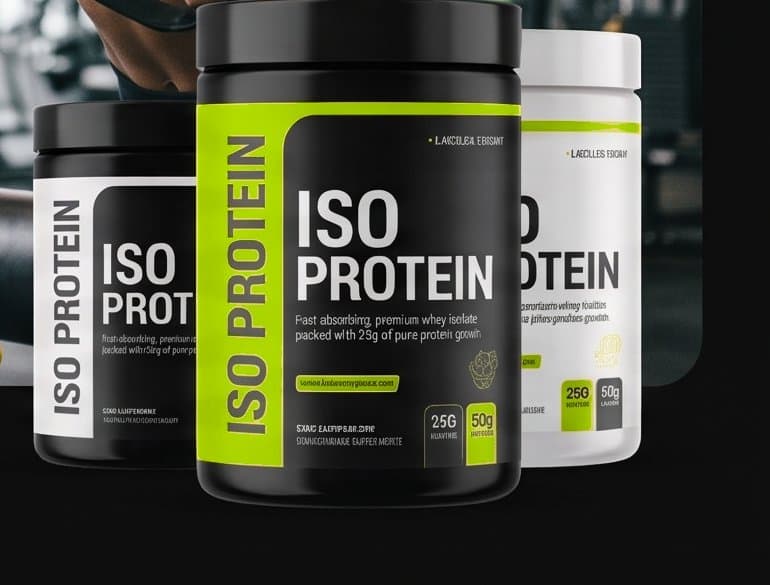
Rive Sup's demo catalog — placeholder products, replaceable via the data layer.