
Supplement Education
Reading a Supplement Facts Label Like a Pro
Serving sizes, proprietary blends and daily values — a five-minute guide to not getting lost on the back of the tub.

Start with the serving size, not the headline. A tub claiming 50 grams of protein might mean per two-scoop serving — halve everything on the panel before comparing products at the shelf.
Proprietary blends hide the dose. If a panel lists a 'performance matrix' without individual gram amounts, you can't compare it to a competitor — or even to your own daily caffeine total. Transparency is a feature.
Check per-100-gram columns carefully. Bigger tubs often have larger servings, making numbers look better than they are. Compare identical serving sizes first, then price per serving.
The ingredient list is ranked by weight. Everything after the sweetener or spice blend exists in trace amounts — useful for spotting where the headline ingredient actually sits.
Allergen statements are non-negotiable. Manufacturing lines are shared; 'may contain' warnings exist for a reason. Read them once per product and you'll never have a surprise.
Finally, remember who writes labels: marketers write the front, regulators constrain the back. The back is where the product tells you what it is.
General education only — not medical or dietary advice. Demo editorial content.
Shop The Read
Products mentioned
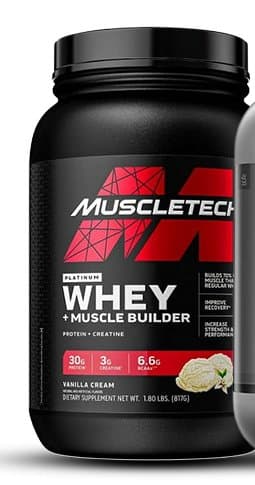
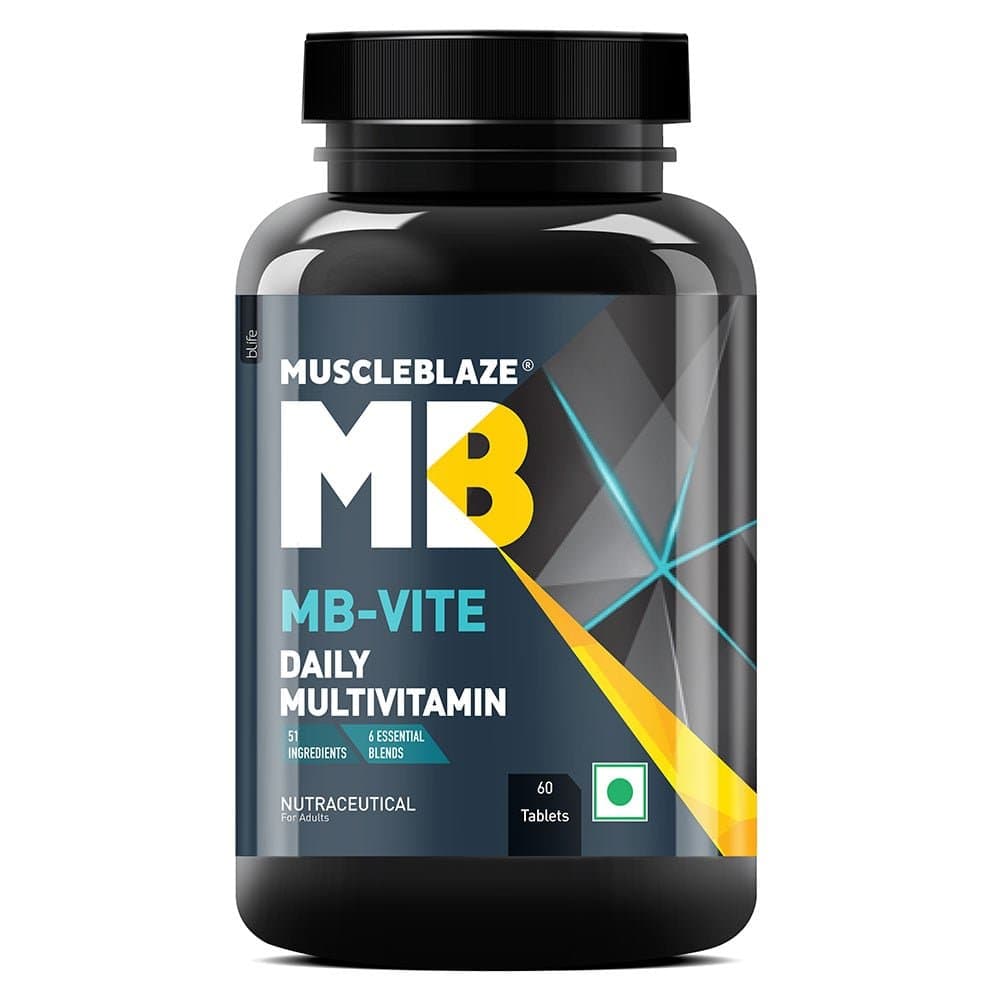
Rive Sup's demo catalog — placeholder products, replaceable via the data layer.