
Lifestyle
Recovery Basics: Sleep, Nutrition and Rest Days
The unglamorous half of training progress — why your best gains are built between sessions, not during them.
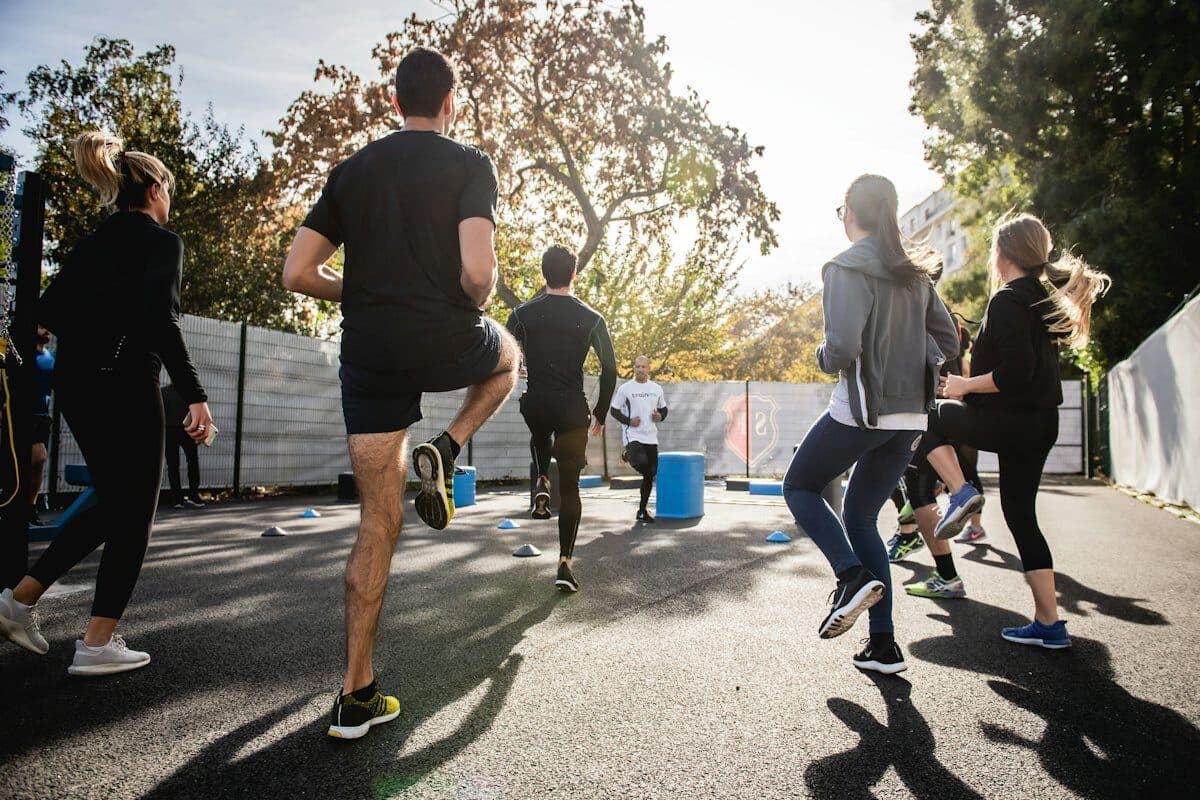
Training is the stimulus; recovery is where the adaptation happens. Athletes who chase every extra set while sleeping six hours are usually outrun by consistent sleepers doing slightly less.
Sleep is the highest-leverage recovery tool available. Most adults do better with seven to nine hours. A regular bedtime, a dark room and a screen cut-off before bed outperform any supplement you can buy.
Nutrition around training doesn't need to be complicated: eat protein across the day, carbohydrate around your sessions, and enough total calories to support the work you're doing. A shake after training solves the convenience problem on busy days.
Rest days are programming, not slacking. Light movement — walking, mobility, an easy cycle — promotes blood flow without adding stress. Complete inactivity after a hard block tends to leave you stiffer, not fresher.
Track a simple readiness signal over time: morning heart rate, sleep quality, motivation to train. Two or three bad weeks in a row is your cue to deload before your body makes the decision for you.
None of this is glamorous, and none of it fits on a tub. It is, however, the part that decides whether the tub ever gets used consistently enough to matter.
General education only — not medical or dietary advice. Demo editorial content.
Shop The Read
Products mentioned

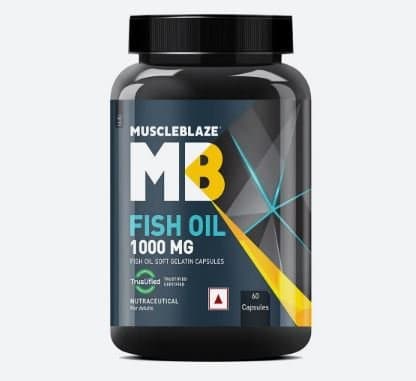
Rive Sup's demo catalog — placeholder products, replaceable via the data layer.